Product Overview
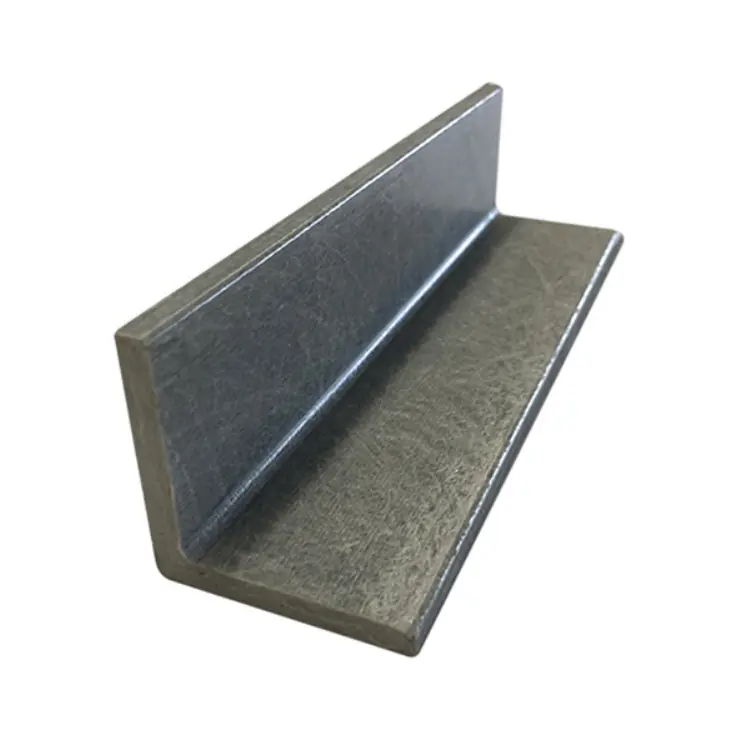
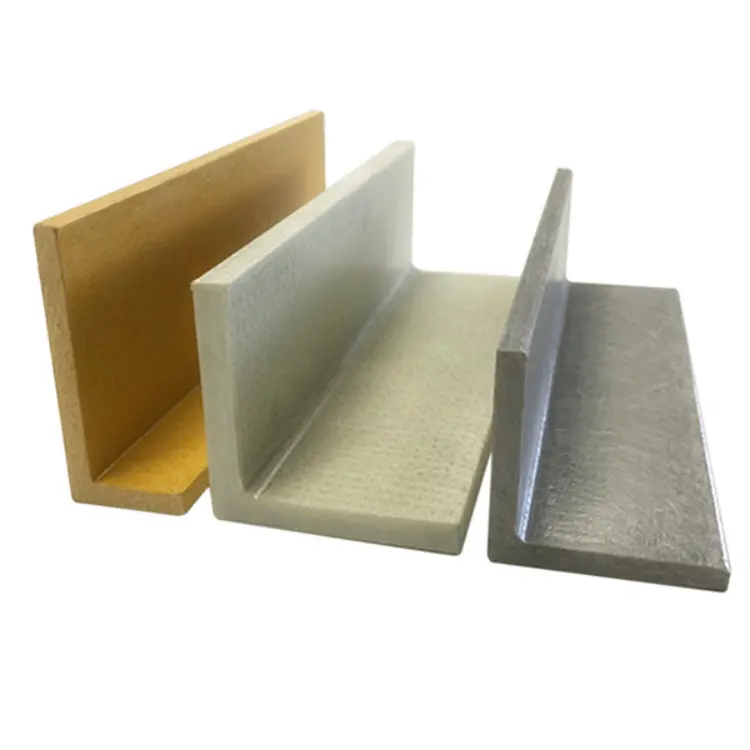
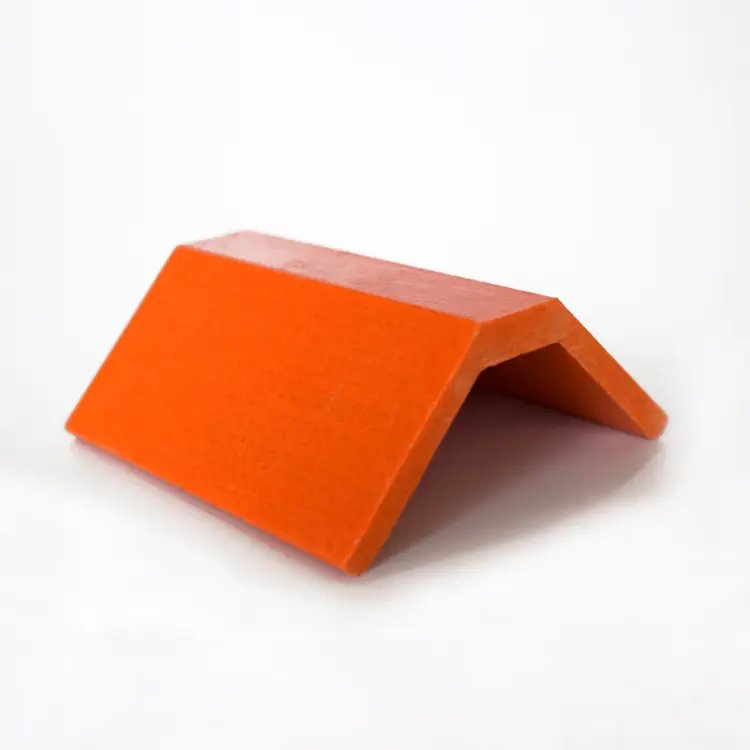
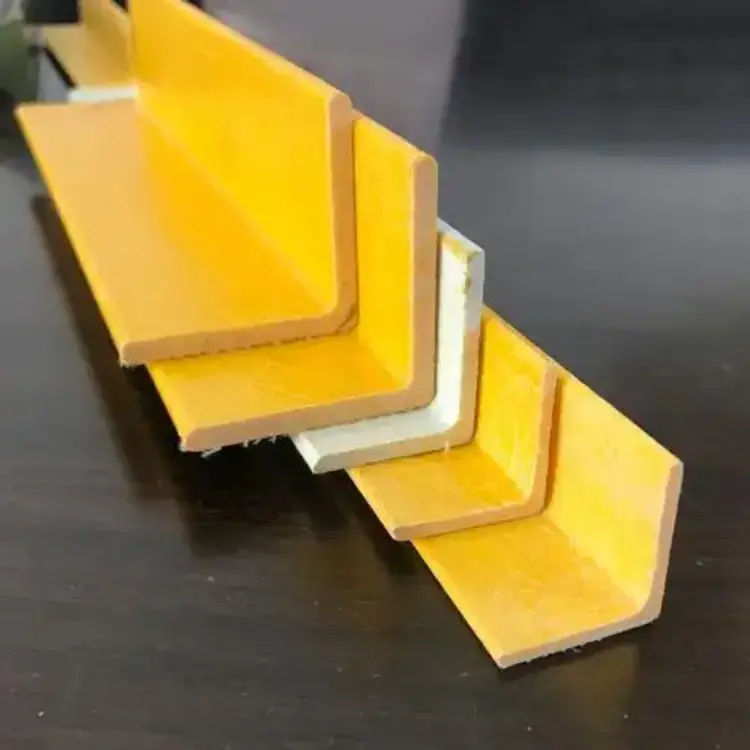
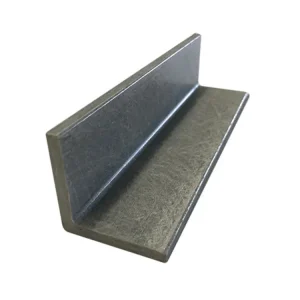
Fiberglass angle (also known as FRP angle, GRP angle, pultruded fiberglass angle, or fiberglass L angle) is a lightweight, non-metallic profile manufactured from fiberglass reinforced plastic for stable performance in demanding environments. Designed for structural support, fabrication, and corrosion-resistant assemblies, it is a practical choice for frames, supports, equipment assemblies, cable-related structures, and custom industrial fabrication, offering a reliable alternative where steel angle may rust, conduct electricity, or require frequent maintenance.
Main Applications
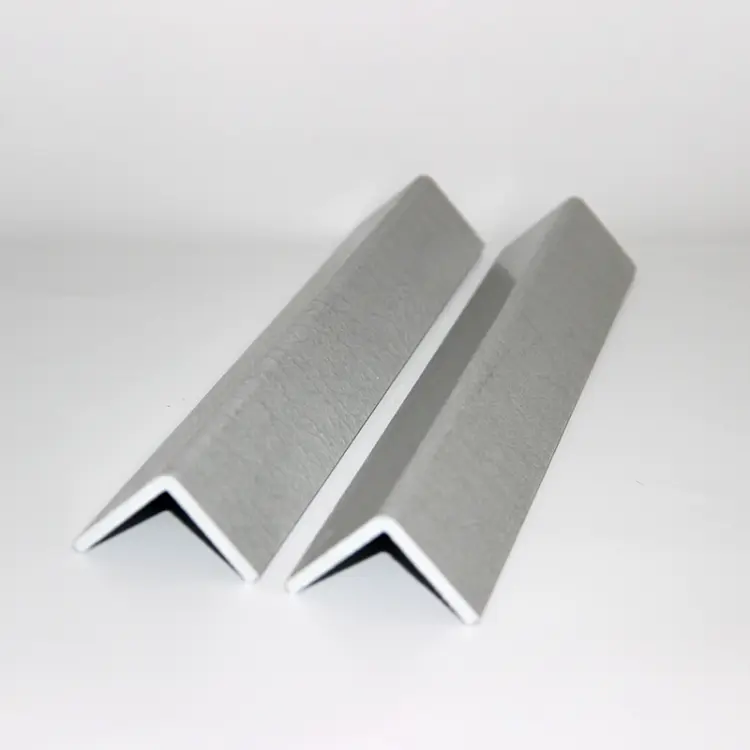 Fiberglass angle is suitable for projects that require a durable angle profile with corrosion resistance and good dimensional consistency. Typical applications include:
- structural frames and support members
- handrail and guardrail systems
- equipment stands and brackets
- cable support assemblies
- marine and coastal installations
- chemical processing facilities
- wastewater treatment plants
- outdoor and humid environments
- custom fabrication for industrial components
For buyers searching for fiberglass angle for handrails, FRP angle for fabrication, or corrosion resistant fiberglass angle, this product offers a practical non-metallic alternative to steel.
Material and Construction
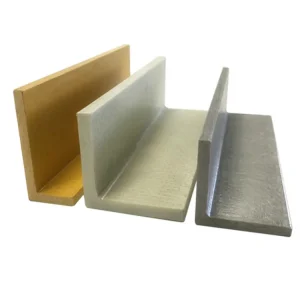
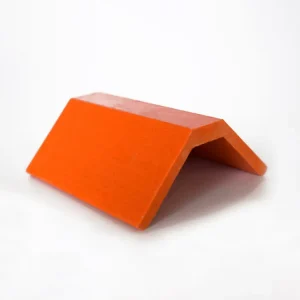
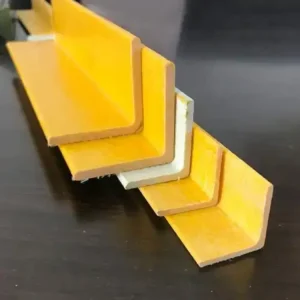
Fiberglass angle is produced from fiberglass reinforcement combined with a resin system selected for the operating environment. The L-shaped profile can be manufactured to suit project-specific requirements for strength, appearance, and installation.
Common characteristics include:
- L-shaped angle profile
- non-metallic construction
- corrosion-resistant surface
- lightweight and easy to handle
- customizable resin system
- customizable color and finish
- suitable for cutting, drilling, bonding, and assembly
The exact leg size, thickness, length, resin type, and finish should be selected according to structural requirements, installation method, and environmental exposure.
Key Advantages
Corrosion resistance
Suitable for wet, salty, acidic, alkaline, and chemically aggressive environments.
Structural versatility
Can be used in frames, supports, handrails, and custom assemblies.
Lightweight handling
Easier to transport and install than many metal alternatives.
Electrical insulation
Useful in applications where a non-conductive structural member is preferred.
Low maintenance
FRP does not rust, which helps reduce repainting and replacement costs.
Easy fabrication
Can be cut, drilled, and assembled into project-specific systems.
Technical Specifications
| Item | Specification |
|---|---|
| Product Name | Fiberglass Angle |
| Common Names | FRP Angle, GRP Angle, Pultruded Fiberglass Angle, Fiberglass L Angle |
| Material | Fiberglass Reinforced Plastic (FRP / GRP) |
| Profile Type | L-shaped angle profile |
| Main Function | Structural support, fabrication, and assembly |
| Surface Finish | Smooth, corrosion-resistant finish |
| Leg Size | Customizable |
| Thickness | Customizable |
| Length | Customizable |
| Color | Customizable |
| Resin System | Customizable according to application |
| Processing | Cut, drill, bond, or mechanically fix |
| Application | Handrails, frames, supports, brackets, and custom structures |
| Environment | Indoor, outdoor, humid, coastal, and corrosive areas |
Product Aliases
- fiberglass angle
- FRP angle
- GRP angle
- pultruded fiberglass angle
- fiberglass L angle
- structural fiberglass angle
- FRP angle profile
- non-metal angle
- corrosion resistant angle
- industrial FRP angle