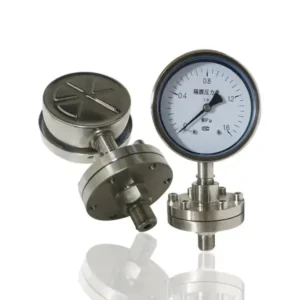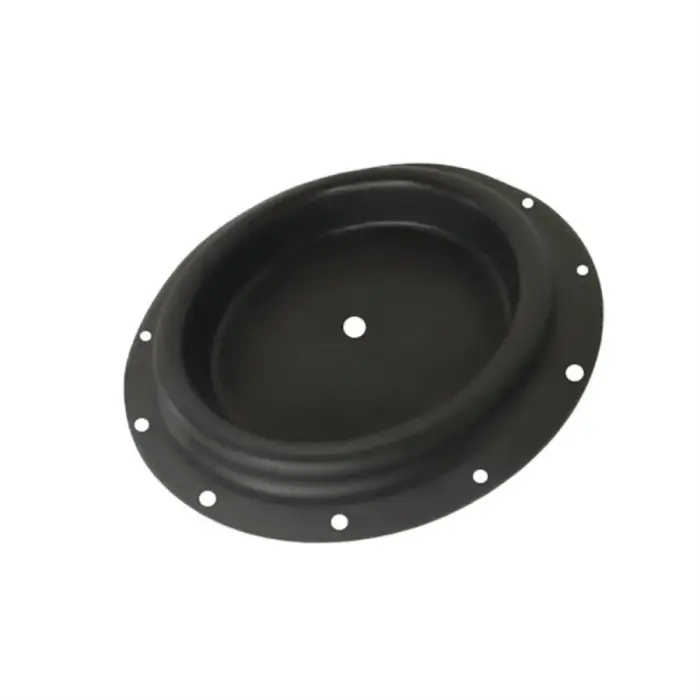
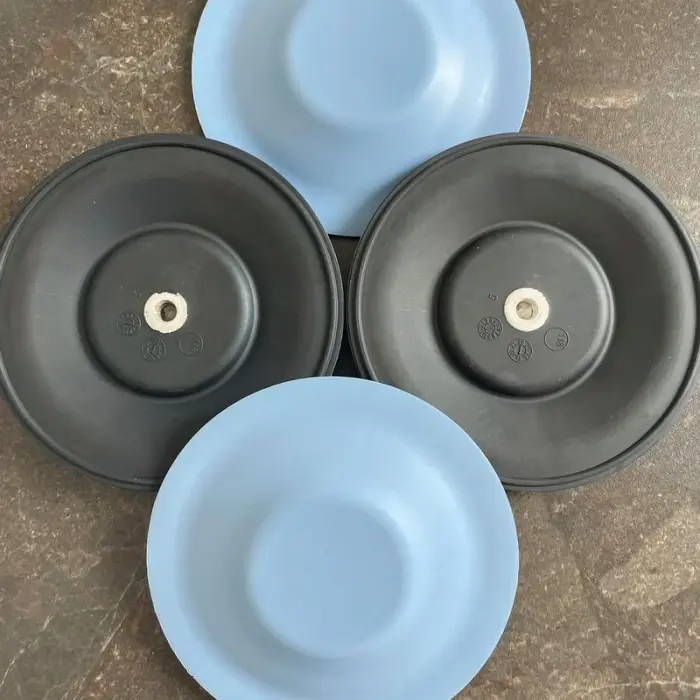
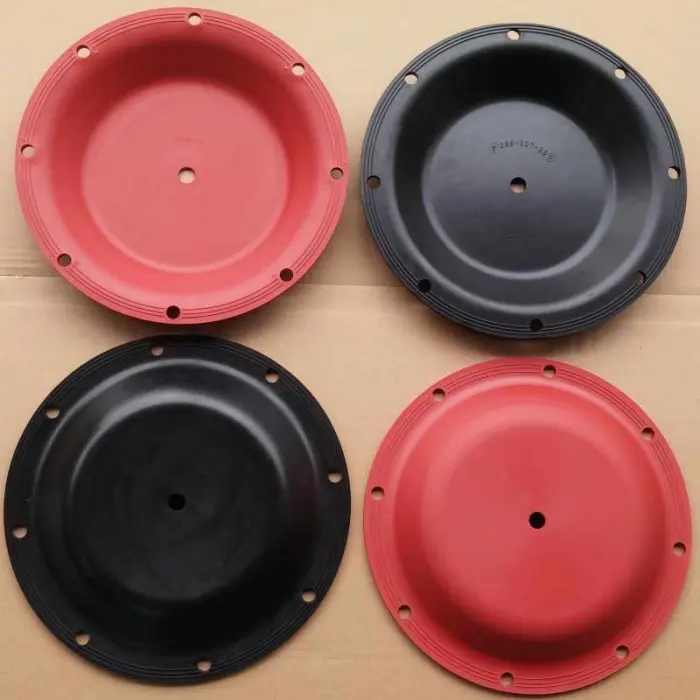



What Are Rubber Diaphragm Seal Gaskets?
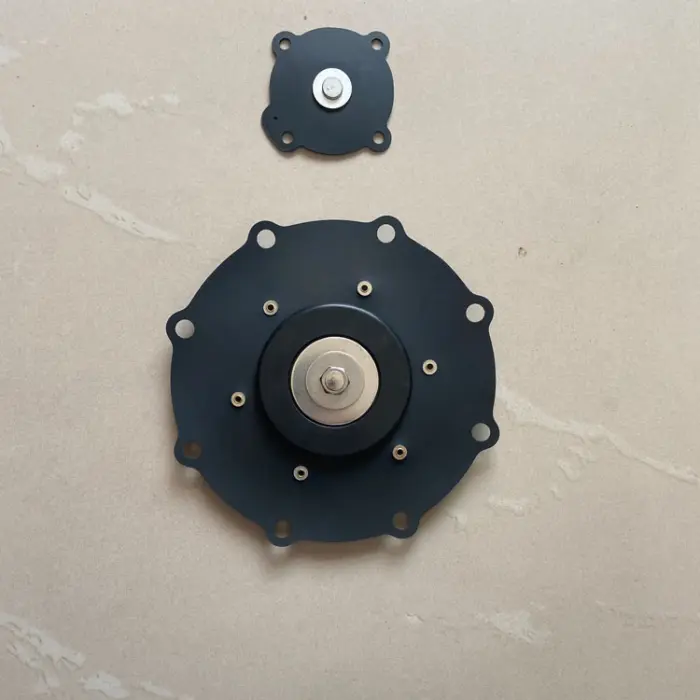
Rubber diaphragm seal gaskets are sealing components designed to maintain a secure seal in pressure systems, preventing leaks and protecting sensitive equipment from external contaminants. They consist of a flexible rubber diaphragm that conforms to the shape of the sealing surface, providing an effective barrier between the system and the environment. These gaskets are ideal for applications that require pressure resistance, thermal stability, and chemical resistance.
How Do Rubber Diaphragm Seal Gaskets Work?
The rubber diaphragm in the gasket reacts to pressure changes within the system. As pressure is applied, the diaphragm deforms, ensuring a tight seal without compromising the integrity of the system. These seals prevent the leakage of gases or liquids and protect critical components from wear, corrosion, and other environmental factors.
Applications of Rubber Diaphragm Seal Gaskets
-
Chemical Processing: Protects equipment from aggressive chemicals and ensures a reliable seal under high pressure.
-
Automotive: Used in engine components and fluid systems where pressure and heat resistance are essential.
-
Oil & Gas: Ensures reliable sealing in drilling equipment and pipeline systems exposed to extreme conditions.
-
Food & Beverage: Provides contamination-free sealing in food processing environments.
-
Pharmaceutical: Ensures tight sealing in equipment used for drug manufacturing, maintaining purity and safety.
Specifications & Parameters
| Specification | Description |
|---|---|
| Material Options | Nitrile Rubber (NBR), EPDM, Viton, Silicone |
| Temperature Range | -40°F to 450°F (-40°C to 232°C) |
| Pressure Rating | Up to 10,000 psi (690 bar) |
| Diaphragm Thickness | 0.5mm to 5mm |
| Size Range | 1″ to 6″ (25mm to 150mm) |
| Color Options | Black, White, Transparent |
Common Sizes
-
1″ (25mm)
-
2″ (50mm)
-
3″ (75mm)
-
4″ (100mm)
-
5″ (125mm)
-
6″ (150mm)
Material Options
-
Nitrile Rubber (NBR): Best for fuel and oil resistance.
-
EPDM: Suitable for hot water and steam applications.
-
Viton: Ideal for high-temperature and chemical resistance.
-
Silicone: Excellent for high temperatures and food-grade applications.
Advantages of Rubber Diaphragm Seal Gaskets
-
Flexible Design: Easily conforms to irregular surfaces, ensuring a tight seal.
-
Chemical Resistance: Protects against exposure to oils, fuels, and aggressive chemicals.
-
Temperature Stability: Can withstand both high and low-temperature extremes.
-
Durable and Long-Lasting: Resistant to wear and tear, ensuring long-term performance.
-
Versatile Applications: Suitable for a wide range of industries, from automotive to food processing.
Comparison Table: Rubber Diaphragm Seal Materials
| Material | Chemical Resistance | Temperature Tolerance | Cost |
|---|---|---|---|
| Nitrile Rubber | Moderate | -40°F to 250°F (-40°C to 120°C) | Low |
| EPDM | Excellent | -50°F to 300°F (-45°C to 150°C) | Moderate |
| Viton | Excellent | -40°F to 450°F (-40°C to 232°C) | High |
| Silicone | Good | -100°F to 500°F (-73°C to 260°C) | High |
FAQ
Q1: What are rubber diaphragm seal gaskets used for?
A1: Rubber diaphragm seal gaskets are used in a variety of pressure systems and equipment to provide a secure seal, preventing leaks and protecting sensitive components from external contaminants and environmental damage.
Q2: What materials are rubber diaphragm seal gaskets available in?
A2: These gaskets are available in various materials including Nitrile Rubber (NBR), EPDM, Viton, and Silicone, each offering different properties suitable for specific applications.
Q3: How do I choose the right rubber diaphragm seal gasket material?
A3: The choice of material depends on factors like the chemical nature of the media, temperature conditions, and pressure levels. For example, Viton is ideal for high-temperature applications, while NBR is best for oil and fuel resistance.
Q4: How often should rubber diaphragm seal gaskets be replaced?
A4: The lifespan of rubber diaphragm seal gaskets varies depending on the operating environment and the material used. Regular inspections and maintenance are recommended to ensure optimal performance.
Q5: Are rubber diaphragm seal gaskets customizable?
A5: Yes, we offer customizable options for size, thickness, and material to meet your specific application requirements.