

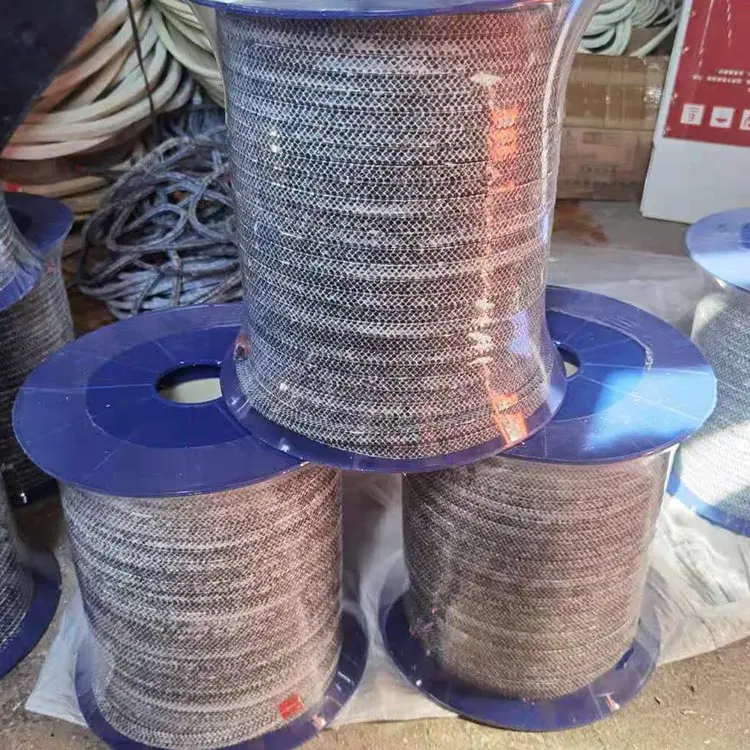
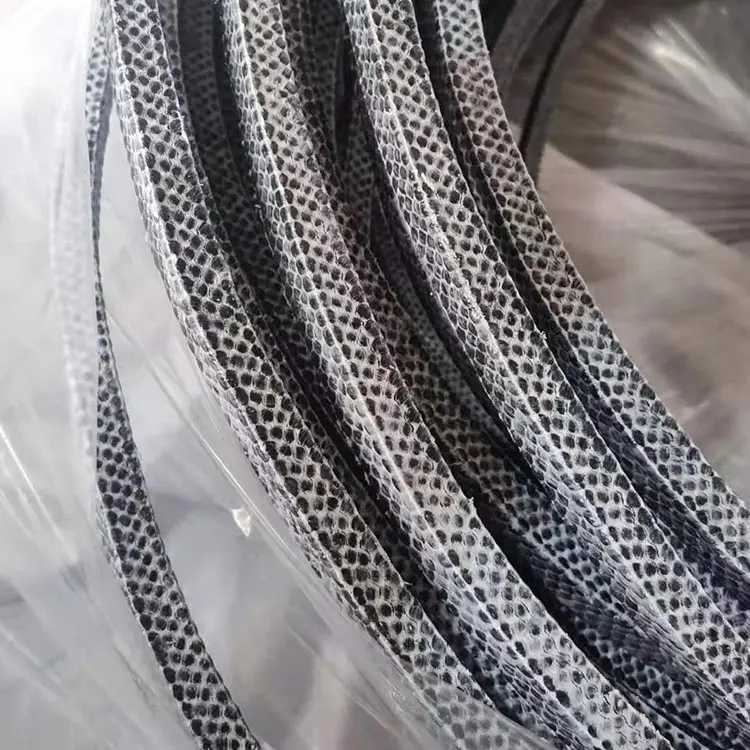
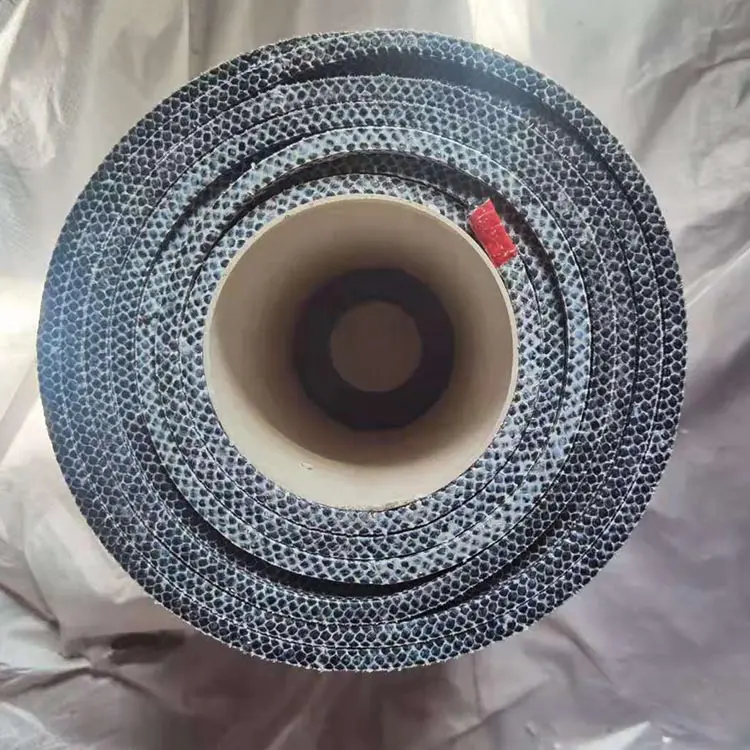
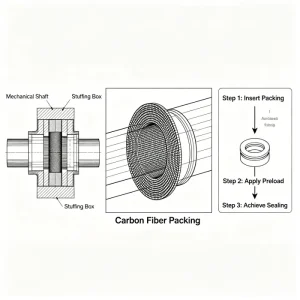
What is Carbon Fiber Packing Rope?
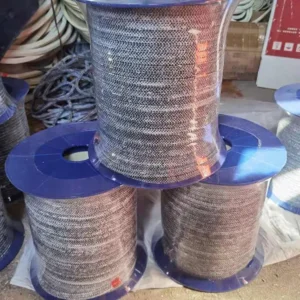
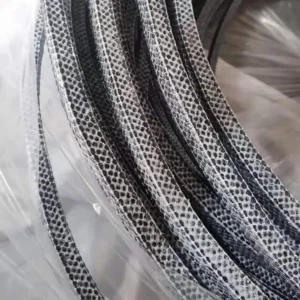
Carbon Fiber Packing Rope is a braided gland/rope packing made from high-purity carbon yarn (pitch-based or PAN-based carbon fibers) — sometimes blended with graphite or PTFE — engineered for high temperature, chemical and abrasive sealing in pumps, valves, mixers and other rotary/reciprocating equipment. It offers low friction, excellent thermal stability, and high abrasion resistance compared with many organic packings, making it ideal for demanding industrial services.
Material & Construction
Carbon fiber packing rope is typically manufactured by lattice- or plait-braiding high-purity carbon yarn into square or round cross-sections, then optionally impregnating or surface-treating with graphite, PTFE, or lubricants to tune friction and chemical compatibility. Pitch-based carbon yarns provide exceptional high-temperature stability; PAN-based carbon gives different mechanical characteristics.
How it Seals
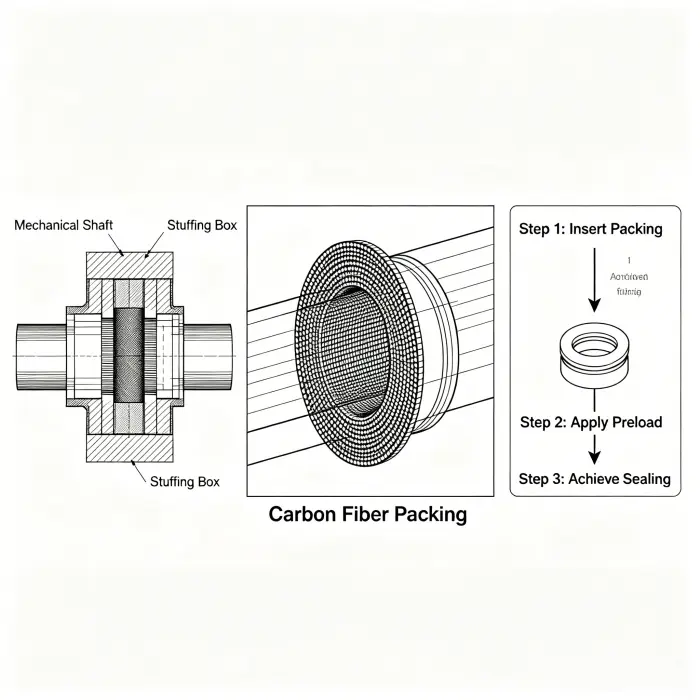
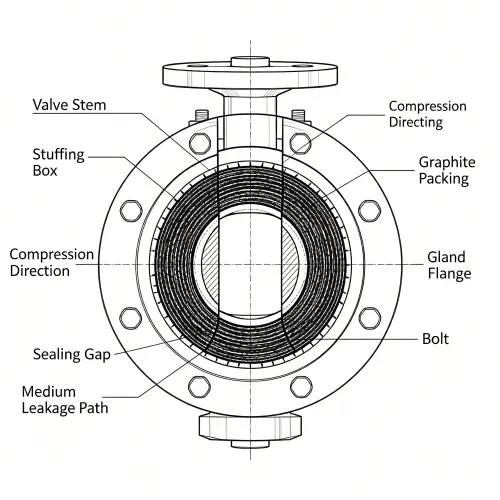
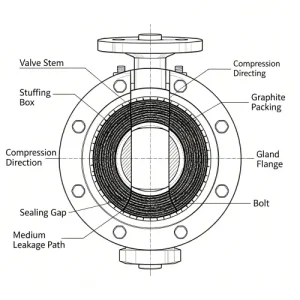
Under gland compression the carbon fibres conform and form a homogenous, low-friction sealing mass. This reduces leak paths and flush water usage in many valve and pump installations, especially where heat or abrasion are present.
Typical Applications (Where to Use Carbon Fiber Rope Packing)
-
High-temperature steam and process services (economizer, boiler feed pumps, valve stems).
-
Heavy-duty pumps handling abrasive slurries, pulp & paper liquors, and some chemical processes.
-
Valves and high-pressure rotating equipment where extrusion resistance and long life are required.
Key Performance Parameters
-
Service Temperature (typical): -200°C to +455°C (pitch-based carbon in air/inert atmospheres — grade dependent). In many practical grades manufacturers commonly list safe service up to ~300–450°C; specific rating depends on yarn type and coating.
-
Working Pressure: applications vary; valve/ static services can tolerate hundreds to thousands psi when properly installed; rotating pump guidelines commonly use conservative packing gland design (consult datasheet).
-
Shaft Speed (linear): many carbon packings handle high surface speeds (some grades rated up to 20–25 m/s for special filament constructions).
-
Chemical Compatibility: excellent to strong alkalis and many organics; compatibility with oxidizing media depends on impregnation/coating. Use manufacturer chemical charts for specific media.
Note: Always verify with the product datasheet prior to specification.
Standard Sizes & Packaging
Cross-section (square / round) — typical stocked and custom sizes:
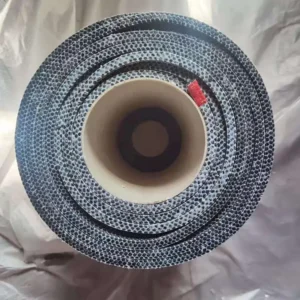
3×3 mm, 5×5 mm, 6×6 mm, 8×8 mm, 10×10 mm, 12×12 mm, 14×14 mm, 16×16 mm, 19×19 mm (¾”), 22×22 mm (7/8″), 25×25 mm (1″), up to 90×90 mm or larger for special orders. Round diameters often mirror square sizes (e.g., Ø6 mm, Ø8 mm). Spools/coils commonly sold by length or weight (e.g., 1 kg, 2 lb, 5 kg spools); Alibaba/manufacturers list large MOQ options for customized sizes.
 Product Variants & Custom Options
-
Pure carbon braid (uncoated) — maximum temp, minimal additives.
-
Carbon + graphite/graphite dispersion — improved lubrication and sealing at high temps.
-
Carbon + PTFE impregnation — lower friction for delicate shafts or where chemical inertness is needed.
-
Wire-reinforced / corner-reinforced — Inconel or stainless wires for extrusion resistance in high-pressure valves.
-
Pre-cut rings, custom lengths, private-label spools — available on request.
Benefits — Why Choose Carbon Fiber Packing Rope (Differentiation)
-
High-temperature resilience: pitch-based carbon rope maintains integrity at far higher continuous temperatures than most organic packings.
-
Excellent abrasion resistance: filament carbon construction resists wear in slurries and abrasive media, extending service life vs standard fibrous packings.
-
Low friction & energy loss: when properly impregnated (graphite/PTFE), the rope minimizes shaft wear and reduces drive power.
-
Flexible customization: we control braid pattern, impregnation and corner reinforcement to engineer the seal for the specific equipment and duty cycle (not “one-size-fits-all”).
-
Lifecycle cost focus: we provide gland advice (ring count, gland load, flush strategy) and failure-mode recommendations to reduce unplanned downtime — actionable engineering support rather than generic spec sheets.
Comparison Table — Carbon Fiber Rope vs Other Packing Materials
| Feature / Material | Carbon Fiber Packing Rope | Graphite Packing | PTFE (GFO) Packing | Aramid / Kevlar Packing |
|---|---|---|---|---|
| Temperature tolerance | Very high (up to ~450°C+) depending on grade. | Very high (graphite excels at extreme heat). | Moderate (PTFE ~260°C). | Moderate–high (up to ~300°C). |
| Abrasion resistance | High — filament carbon resists slurries. | Good | Low–moderate | High (good for abrasive solids) |
| Friction / shaft wear | Low (with PTFE/graphite finish) | Low–moderate | Very low | Moderate |
| Chemical resistance | Good (alkalis, organics; check oxidizers) | Good | Excellent (broad chemical inertness) | Good (some solvents may affect) |
| Best use cases | High-temp, abrasive, valve/rotating high-duty | Ultra-high temp / dry seals | Chemical service, potable or sensitive shafts | Non-asbestos alternative for mechanical wear |
(Use the comparison to guide material selection — always validate with our chemical/temperature charts.)
Installation & Handling Recommendations
-
Use correct shaft finish (consult datasheet), and install 4–6 rings for many pump glands (number varies with gland depth and shaft diameter).
-
Stagger joints 120° when building rings and cut squarely.
-
For high temp services, allow for controlled run-in to compress and conform the packing; monitor gland leakage and adjust gradually.
-
Provide SDS and advise PPE for cutting and handling to avoid dust inhalation.
Frequently Asked Questions (FAQ)
Q1: What is the MOQ (minimum order quantity)?
A1: Typical MOQ depends on size and supplier — many manufacturers list 100 kg for custom Alibaba listings, while distributors may sell single spools (e.g., 1–5 kg) for standard sizes. Contact us for exact MOQ per SKU and sample availability.
Q2: What are typical lead times?
A2: In-stock standard sizes: 3–10 business days for small orders. Custom braid styles, impregnation or reinforced variants: 2–4 weeks (longer for large volumes). Exact lead time confirmed at order. (Lead time depends on our and the subcontractor’s stock).
Q3: How is the product shipped and are there transport restrictions?
A3: Packed on spools/coils in export cartons or wooden crates; shipped by sea/air/express. Carbon fibre packing ropes are generally shippable, but customs and local import rules may differ — we supply MSDS and packing lists and advise on Incoterms.
Q4: Do you offer customization (sizes, coatings, pre-cut rings)?
A4: Yes — custom cross-sections, graphite/PTFE impregnation, wire reinforcement, pre-formed rings, private-label spools and batch traceability are available. Tooling/setup may affect MOQ and lead time.
Q5: Can you help select a non-carbon alternative?
A5: Yes — we consult on PTFE, graphite, aramid and composite packings and recommend conversions where emissions, safety or compatibility require it.
Q6: Are carbon fibre packings safe for potable or food contact?
A6: Carbon/graphite packings are not typically certified for food or potable water contact. For these services use certified PTFE or food-grade alternatives.
Q7: What inspection reports are provided?
A7: Standard QC: dimensional check, density/weight per metre; optional certificates (COA) or third-party lab tests can be supplied for critical orders.
Technical Datasheet
-
Material: Pitch-based or PAN-based carbon yarn (± graphite/PTFE impregnation)
-
Color: Black / dark grey (graphite finished variants)
-
Temperature: commonly -200°C to +300–455°C (grade & atmosphere dependent).
-
Common cross-sections: 3×3 mm → 90×90 mm (custom larger available).
-
Spool weights: 1 kg, 2 lb, 5 kg, custom reels.
-
Typical uses: pumps, valves, mixers, thrust seals in heavy industry.
Why Our Carbon Fiber Packing Rope is Different
-
Engineering first — we optimize braid style, impregnation and ring recommendation for the exact duty, instead of generic SKUs.
-
Documented material traceability — batch COA and optional third-party testing for critical plants.
-
Custom services — pre-cut kit rings, reinforced corners, and OEM labelling to fit procurement processes.
-
On-demand technical support — gland calculations, run-in procedures, failure analysis support.